

What Are Sexually Transmitted Infections (STIs)?
Sexually Transmitted Infections (STIs), previously known as STDs (Sexually Transmitted Diseases), are infections that spread through sexual contact, including vaginal, anal, or oral sex.
Some STIs cause symptoms, while others may be present without any signs, which is why testing is important.
Common STIs We Evaluate & Treat
We test for and treat many common STIs, including:
- Chlamydia
- Genital herpes
- Genital warts
- Human papillomavirus (HPV)
- Gonorrhea
- Hepatitis B
- Syphilis
- Trichomoniasis
- Human immunodeficiency virus (HIV), which causes AIDS
- Pubic lice
What Are Sexually Transmitted Infections (STIs)?
Sexually Transmitted Infections (STIs), previously called STDs, are infections transmitted through sexual activity, including vaginal, anal, or oral sex. Some infections show symptoms, while others may remain unnoticed, making regular testing essential for early detection.
STI Testing at Our Urgent Care
We offer confidential, fast, and judgment-free testing, including:
Urine testing
Blood tests
Swabs (genital, throat, or rectal when indicated)
Most results are available the same day or within 1–3 days. Our testing and treatment are strictly confidential and discreet. Visits are also private and HIPAA-compliant.
Understanding Sexually Transmitted Infections (STIs)
Sexually Transmitted Infections (STIs), formerly called STDs, are infections spread through vaginal, anal, or oral sex. Some STIs show symptoms, while others may go unnoticed, making testing essential for early detection and treatment.
Common STIs We Evaluate & Treat
Chlamydia and Gonorrhea
Genital herpes and warts
Human papillomavirus (HPV)
Hepatitis B and Syphilis
HIV and Trichomoniasis
STI Testing at Our Urgent Care
Urine testing for bacterial STIs
Blood tests for HIV, Hepatitis, and Syphilis
Swabs for genital, throat, or rectal testing
Same-day or 1–3 day results
Confidential, private, and HIPAA-compliant visits
Importance of Early Treatment
- Prevents infertility and chronic pelvic pain
- Reduces risk of ectopic pregnancy and pregnancy complications
- Lowers HIV transmission risk
- Prevents long-term organ damage
- Limits spreading infections to sexual partners
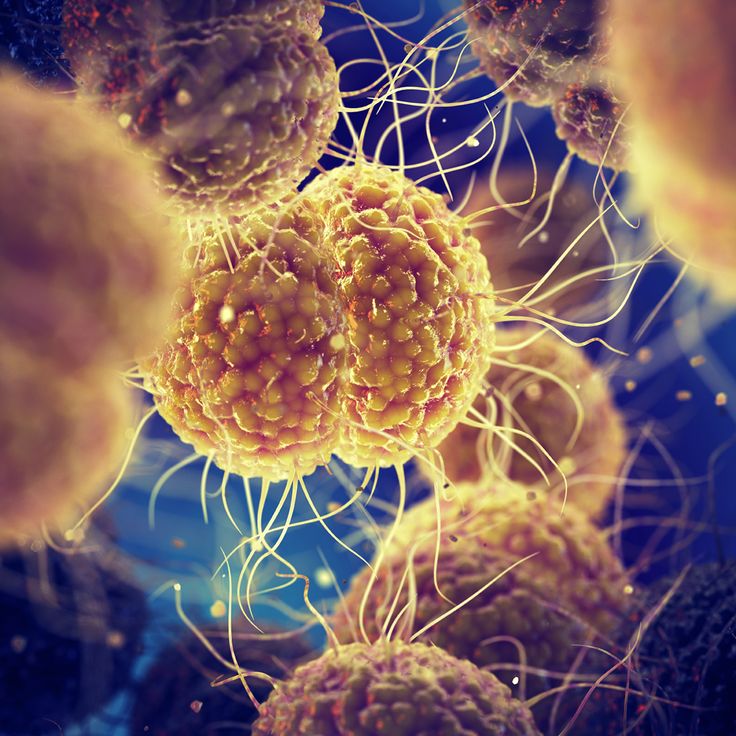
Why Early Treatment Matters
Untreated STIs can cause:
Infertility
Chronic pelvic pain
Pregnancy complications
Long-term organ damage
Risk of spreading STIs to sexual partners
Early diagnosis = easier treatment + better outcomes.
We initiate treatment right away!
To schedule an appointment, please visit our appointment page or call us at (352) 399 2422 for assistance.
Frequently Asked Questions
What Are the Most Common STIs?
The most common STIs include Chlamydia, Gonorrhea, Genital herpes, HPV, Syphilis, HIV, and Trichomoniasis. Some may show symptoms, while others remain asymptomatic.
How Are STIs Tested?
STIs can be tested through urine samples, blood tests, and swabs of genital, throat, or rectal areas. Most results are available the same day or within 1–3 days.
Can STIs Be Treated?
Yes. Bacterial STIs like Chlamydia and Gonorrhea are treated with antibiotics. Viral infections, such as herpes and HIV, are managed with antiviral medications. Early treatment improves outcomes.
Why Is Early Testing Important?
Early testing prevents complications like infertility, chronic pelvic pain, ectopic pregnancy, and increased HIV risk. It also reduces the chance of spreading infections to sexual partners.
Is STI Testing Confidential?
Yes. Our urgent care provides private, judgment-free, and HIPAA-compliant STI testing and treatment to ensure your health information is fully protected.